With the sun making a hopefully sustained appearance, Fanny's mind has turned to ice in her latest attempt to cool her temper while looking after any number of children during the summer holiday. She knows that they will be sweetness and light (they had better be). She knows that they mostly like ice creams. She knows that the smaller ones show a marked preference for ice lollies. She knows that she needn't give us a recipe for those though. She knows that lollies made from sweetened fruit juices will be better for 'them' than the synthetic ones you buy in shops. So, Fanny proclaims, Give Them Lollies.
Well, except for today. You see, as Fanny says, no recipe is required for lollies. She wants to give us a recipe. It's what she does. Imagine an issue of the part-work without recipes? That would never do. Without recipes how would Fanny fill her time? It may be a holiday, but Fanny is still busy. So today, Fanny would like to suggest her Lemon Water Ices to us all. The recipe and the ingredients are fairly simple, so at least we won't overheat in the kitchen preparing these, but it will keep us amused while the children play. Alone. Without us. It's how Fanny prefers it.
As these aren't lollies, the little ones will need to be sitting down to get stuck in. Fanny, cunning as ever, has a plan to keep them occupied for a while ahead of that though - get them to lay the table first. Whether it's the patio or dining room when the summer weather is in a very bad temper (worse than Fanny's) or on the terrace or plonked in the garden itself when the sun shines, the table should be resplendent. Hand embroidered chiffon organza from Madeira and matching napkins folded like water-lollies. That's what Fanny recommends, which is fairly niche it has to be said. Matching your dishes, side plates, salt and pepper pots and bowls with summer flowers will provide the perfect setting to induce good manners amongst the young, apparently. It is never too early to teach them which knives, forks and spoons to use so that they are not totally embarrassed when they go to grown-up parties.
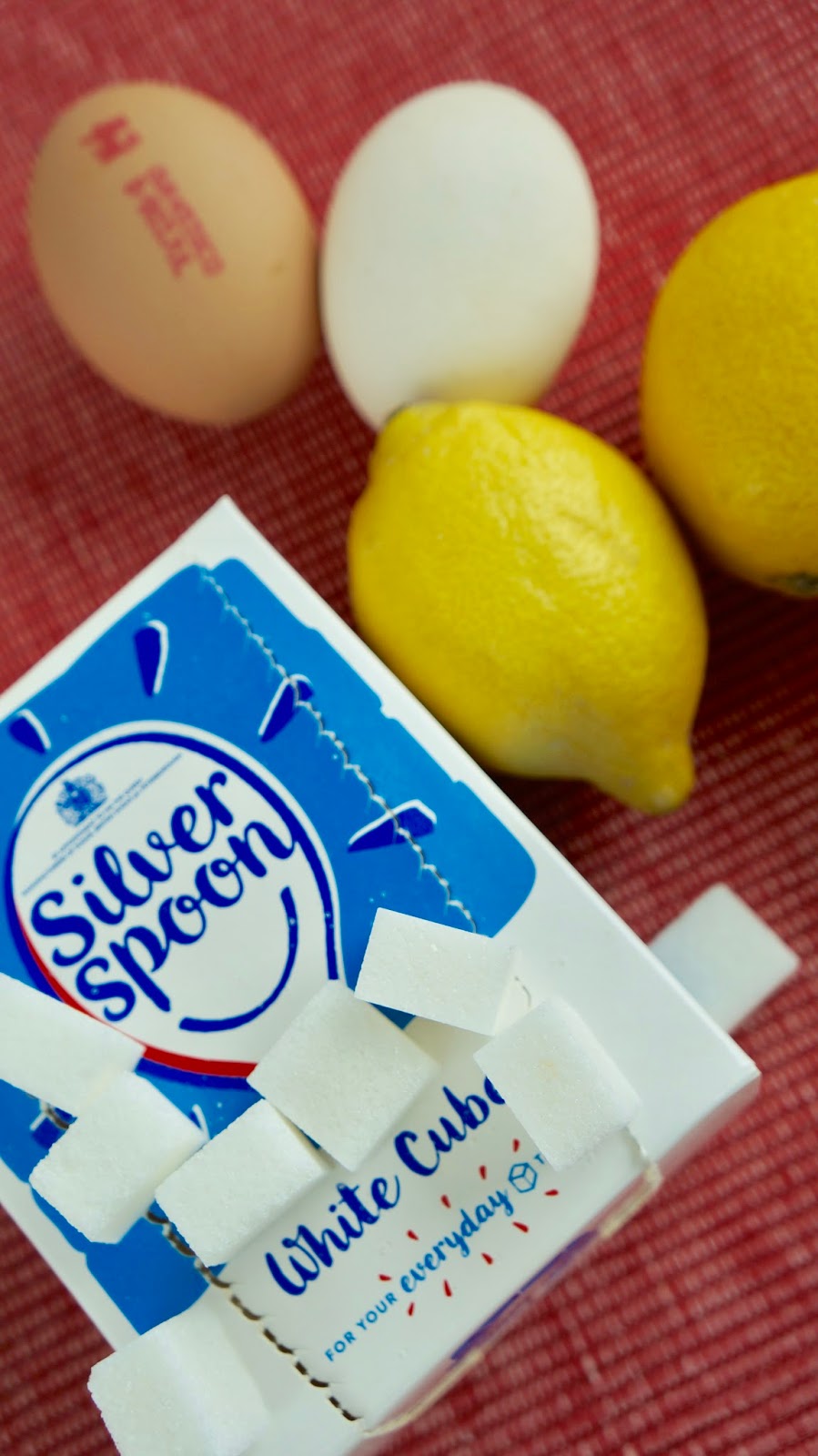
Even the holidays are school days, seemingly. Always a chance to learn something new. Including how to make Water Ices. Fanny uses lump sugar for hers, cold water, lemons and egg whites. That's it. Saving a few lumps behind, Fanny places the remainder in a small pan with cold water and slowly heats it until they dissolve, without boiling. Once dissolved though the heat is raised to boiling, then lowered again to a simmer for ten minutes. During this time Fanny rubs her remaining lumps on the lemon rinds until they become yellow and collapse. After the ten minutes, they are added to the hot sugar syrup, stirred to dissolve and then chilled. I added the rinds again for added lemon-y-ness but don't tell Fanny.
When cold, the lemon juice is added, then the strained liquid is frozen in an ordinary freezing compartment until the edges are well crystallised but the centre is NOT set. At this stage, stiffly whipped egg whites are added and the whole mixture whipped again, before returning to the freezer one more time, until required. Fanny insists it is served piped (which is easier said than done) into long coupe glasses, with the simple addition of some summer fruit on a wooden cocktail stick on the side of the rim. Apparently any child will agree that this enhances the service of this quite delicious and light water ice. Well mannered, well taught and well frightened children especially.
Showing posts with label Sugar. Show all posts
Monday, 17 July 2017
Tuesday, 19 April 2016
Ice To See You, To See You Ice
Fanny has a delicious proposal for me. She is suggesting we go on an adventure together. I'm assuming it's just me and her, she doesn't mention poor Johnnie at all. I'm also assuming there is nothing deliciously underhand going at all, just to be clear. I'm assuming it's something deliciously food related, she's obsessed. I'm hopeful. She's raising her eyebrows to even higher levels than usual and is making mysterious motions towards the kitchen, so, despite a slight feeling of panic, I can only speculate we aren't going very far on this delicious adventure together.
Thankfully, the adventure Fanny has in mind is into the 'realms of home-made ice-cream', so all we need to locate is our freezer. For those less fortunate than Fanny perhaps, who only have a small freezing compartment in their ordinary domestic refrigerators, Fanny says join us anyway, but just cut down her quantities to fit. So just miniscule tablespoons perhaps? For those more fortunate in the freezer department, Fanny promises we can make ice creams in bulk for storage, adding flavours as required. I always find ice cream is best eaten immediately until it's all finished, so storage is a new concept for me...
Fanny has a set of 'basics' that she's keen that we cherish and learn by heart so that they are in our heads and at our disposal whenever we want to make ice cream, throughout the year, before we progress. She knows how to plan an adventure, eh? Her foundation recipe is 1 pint of confectioners custard and either 1/2 pint (when you are willing to pay for more) or a 1/4 pint (if your purse is stretched) of whipped double cream. Indeed if your purse is very stretched, Fanny says you can frankly freeze the flavoured custard on it's own. She does however note that it's flat-out not worthy of the first-class, first-rate standards that we've come to expect from her. So the message is you can, but the real message is don't.
Fanny's method for most freezers is mainly to whip the cold cream until it just hangs from the whisk, and then whip it into the custard. freeze it until the edges are set and the centre is squidgy, whip it again for 5 minutes, then return it to the freezer until it's solid. When frozen, take it out and whip it again and refreeze. If you have a deep freeze, just bung it in and freeze it. So is all committed to memory? I will pass round examination papers shortly.
Well, forget it for now, as Fanny has a recipe of her very own to teach us. It's for Orange Ice Cream. In fairness, it's a similar process, but swapping the custard for a sorbet, mostly. Fanny dissolves sugar slowly in water, with orange zest, then boils it for nine minutes until it's a very fine syrup. She adds an egg yolk and strained orange juice, cooks for five more minutes stirring all the time. Then freeze, whip, freeze, whip and refreeze as before. Whip in whipped cream and freeze for the final time. There you have it, orange ice-cream. Serve in an orange, of course. It's delicious adventure. It soon becomes clear why Johnnie was not invited. Fanny reveals that, despite him being a wine-lover, he has been known to polish off forty-seven portions of this particular ice-cream in one session. Fanny says he is a pig about it, but being Fanny's own recipe of course he is a very discerning pig. Just don't let him near your freezer compartment.
Thankfully, the adventure Fanny has in mind is into the 'realms of home-made ice-cream', so all we need to locate is our freezer. For those less fortunate than Fanny perhaps, who only have a small freezing compartment in their ordinary domestic refrigerators, Fanny says join us anyway, but just cut down her quantities to fit. So just miniscule tablespoons perhaps? For those more fortunate in the freezer department, Fanny promises we can make ice creams in bulk for storage, adding flavours as required. I always find ice cream is best eaten immediately until it's all finished, so storage is a new concept for me...
Fanny has a set of 'basics' that she's keen that we cherish and learn by heart so that they are in our heads and at our disposal whenever we want to make ice cream, throughout the year, before we progress. She knows how to plan an adventure, eh? Her foundation recipe is 1 pint of confectioners custard and either 1/2 pint (when you are willing to pay for more) or a 1/4 pint (if your purse is stretched) of whipped double cream. Indeed if your purse is very stretched, Fanny says you can frankly freeze the flavoured custard on it's own. She does however note that it's flat-out not worthy of the first-class, first-rate standards that we've come to expect from her. So the message is you can, but the real message is don't.
Fanny's method for most freezers is mainly to whip the cold cream until it just hangs from the whisk, and then whip it into the custard. freeze it until the edges are set and the centre is squidgy, whip it again for 5 minutes, then return it to the freezer until it's solid. When frozen, take it out and whip it again and refreeze. If you have a deep freeze, just bung it in and freeze it. So is all committed to memory? I will pass round examination papers shortly.
Well, forget it for now, as Fanny has a recipe of her very own to teach us. It's for Orange Ice Cream. In fairness, it's a similar process, but swapping the custard for a sorbet, mostly. Fanny dissolves sugar slowly in water, with orange zest, then boils it for nine minutes until it's a very fine syrup. She adds an egg yolk and strained orange juice, cooks for five more minutes stirring all the time. Then freeze, whip, freeze, whip and refreeze as before. Whip in whipped cream and freeze for the final time. There you have it, orange ice-cream. Serve in an orange, of course. It's delicious adventure. It soon becomes clear why Johnnie was not invited. Fanny reveals that, despite him being a wine-lover, he has been known to polish off forty-seven portions of this particular ice-cream in one session. Fanny says he is a pig about it, but being Fanny's own recipe of course he is a very discerning pig. Just don't let him near your freezer compartment.
Monday, 4 April 2016
Would You Adam and Eve It?
Fashions for cookbooks continue to change all the time - whether it be the authors, the content or the design. Fanny herself devised an amazing array of over 40 cookbooks, and she rode every imaginable craze going. She blooming well invented them too. The main direction she wanted us to go was backwards, of course not in our skills, in time. She wanted to 'bring back' good, old fashioned British cooking, with more than an 'Allo 'Allo to the French way of doing things. By that she meant mainly Victorian-style gastronomy, but more suited to the garish orange fabric of life for the modern housewife of the 60's and 70's who wasn't fortunate enough to have 'help'. So, everything had to be easy to achieve (which meant following Fanny to the letter), in super quick time (which was before your husband returned from work with his new boss for dinner) and without straining the purse (which had taken rather a battering in recent years).
You see Fanny loved a pudding. Ye Olde ones mainly. She often called them Puddens. Savoury or sweet, mostly steamed but sometimes baked. Sometimes frozen or 'set'. All sorts of ingredients could be mixed up, transferred to one of the many pudding moulds from the dazzling display of designs that lined the kitchen shelves and simmered on the stove, or in a bain-marie in the oven, for a good few hours. Sometimes stodgy. Sometimes solid. Sometimes substantial. Always a filling, old-fashioned addition to any meal. Fanny wrote about them throughout all her cookbooks, and usually managed to slip in a pudding to her Bill of Fare, despite them slipping in and out of fashion.
I am delighted, as I'm sure Fanny would be too, that they may be coming back into vogue, thanks to a wonderfully glorious new cookbook just about to be released. I managed to snap up a sly copy ahead of release thanks to my local Waterstones being somewhat 'fluid' on dates and seemingly popping books on the shelves as they arrive in store. Naughty but nice. The wonderfully titled Pride and Pudding from Regula Ysewlin (Miss Foodwise if you please) is the most luxurious romp back through the centuries of puddings, savoury and sweet. Not only immaculately researched, but each recipe, in both original and updated form, is presented with a thoroughly ravishing set of photographs to boot. Regula is a talented photographer and graphic designer. Drool. The book is all wrapped together with a suitably elaborate and engaging design, thanks to Regula's husband and illustrator Bruno. Regula has Bruno. Fanny had Johnnie.
I can't take my eyes of the book, it's my current bedtime read. I'm not getting much sleep. I even started to leaf through the stunning pages while walking along the street heading home after excitedly, and sneakily it seems, buying it. This is the book Fanny wishes she could've written, telling the story not only of the British pudding, but also the cooks, writers and moments in history that helped to shape them. Many of them women. Fanny's all-time favourite Mrs A.B. Marshall features in the Ices and Jellies section. It had been Fanny's lifelong desire to reintroduce Mrs Marshall to the gastronomic world. Perhaps if Johnnie had been able to able to be more help than blethering on about booze she may have succeeded.
Fanny revives an Apple Pudding for us in the Easter partwork in the guise of Adam and Eve, mixing up her biblical references delightfully. It's a simple pudding made from breadcrumbs, moistened with milk, suet, sugar, lemon zest, raisins, egg and chopped apples added. I've used vegetable suet, naturally, and lovely Pink Lady Apples. Fanny doesn't specify. Mixed together and rammed into mini buttered moulds they simply steam for an hour or so, served still steaming away with a small dollop of cream. Fanny showcased them in her own very particular style back in the 1970's, already fading from fashion by then, but I love it. She would've been so very jealous of Pride and Pudding, but suitably proud and passionate too. I'm delighted to have both in my life - there is always room for pudding, whatever the fashion, whatever the mould and whatever the design.
Labels:
1970's,
Adam and Eve,
Apple,
Breadcrumbs,
Fanny Cradock,
Lemon,
Miss Foodwise,
Mrs Marshall,
Pride and Pudding,
raisins,
Regula Ysewijn,
Steamed Pudding,
Sugar,
Vegetarian Suet,
Victorian
Monday, 19 October 2015
The Harangued Meringue That Went Wrang
So far in the wonderful journey with Fanny Cradock all has been relatively well. Well, we've laughed together, learnt together and looked at some pretty strange creations, lingered for a second then dived in for each lesson, all together. Fanny has been good to me, mostly, things have worked out well. I may not have always liked a few of the end results but they have emerged pretty much as Fanny intended they would, and indeed has she showed me they would. Until today that is...
Fanny is keen to elevate me up the meringue ladder, stepping up from the very ordinary to embrace the exotically continental Italian version. I'm keen to learn Fanny's ways. I've made Italian Meringue before without her but so far she has surprised me when I've queried her techniques. Never query Fanny. It's helped me to learn and build my own repertoire, helped me to rediscover forgotten ways, forgotten flavours and forgotten presentation styles. It's just as Fanny hoped, with a hefty slant towards always doing things her way. Naturally.
Fanny starts the meringue by beating the egg whites until they are very stiff indeed. Nothing strange there. She says if doing this by hand to leave plenty of time in your day or get someone to do it for you. Or if by machine to flick the switch and busy yourself with making a sugar syrup. Fanny adds sugar and water to her favourite roomy pan, allowing every grain of sugar to gently dissolve without touching or stirring once. Once dissolved, the heat is increased to boiling for 3 or 4 minutes. To test if the syrup is ready Fanny dips in a perforated spoon and blows bubbles through the holes. If no bubbles appear, further boiling is required. Once bubbles form however it's tipped into the whipped egg whites and beaten again until glossy. The beaters must not stop for a second. Again, nothing strange so far.
However now is the time that I start to doubt Fanny, but of course quickly dismiss my disloyal thoughts and persist with her. She makes a thick circle of meringue on greaseproof paper (first drawing a circle with pencil on the underside), leaves it exposed to 'set' and then pipes a tall border of 'simple over and over rope' around the edge. I admit, I must practice my piping more, my 'over and over rope' is more freestyle than technical. Fanny says that the meringue should be left out again, exposed, to dry in a dust-free, warm area. "It requires no cooking" she instructs us gleefully. So, I leave it out overnight, switching the no-longer required oven off...
In the morning my meringue has a slight skin forming but really is still wobbly, pliable and pretty much as I left it the night before. Fanny's looks crisp and crunchy. What have I done wrong? Surely it is me, and not Fanny to blame here? After reading and re-reading the instructions I am sure I've followed them to the T. Undeterred, I follow Fanny in filling the precarious case with custard, topping it with a range of tinned peaches, pears and pineapple rings just as she shows me. Then I pipe in some hand-beaten Chantilly Cream between, giving it a final flourish of blueberries and sprinkles. It does look pretty, but it's in danger of collapse, along with my faith in Fanny. It tastes great, but... Maybe I should've baked it? Maybe Fannys' house is much warmer than mine? Maybe I've not been paying as much attention as I thought? Maybe, just maybe, Fanny has gone wrong?
Fanny is keen to elevate me up the meringue ladder, stepping up from the very ordinary to embrace the exotically continental Italian version. I'm keen to learn Fanny's ways. I've made Italian Meringue before without her but so far she has surprised me when I've queried her techniques. Never query Fanny. It's helped me to learn and build my own repertoire, helped me to rediscover forgotten ways, forgotten flavours and forgotten presentation styles. It's just as Fanny hoped, with a hefty slant towards always doing things her way. Naturally.
Fanny starts the meringue by beating the egg whites until they are very stiff indeed. Nothing strange there. She says if doing this by hand to leave plenty of time in your day or get someone to do it for you. Or if by machine to flick the switch and busy yourself with making a sugar syrup. Fanny adds sugar and water to her favourite roomy pan, allowing every grain of sugar to gently dissolve without touching or stirring once. Once dissolved, the heat is increased to boiling for 3 or 4 minutes. To test if the syrup is ready Fanny dips in a perforated spoon and blows bubbles through the holes. If no bubbles appear, further boiling is required. Once bubbles form however it's tipped into the whipped egg whites and beaten again until glossy. The beaters must not stop for a second. Again, nothing strange so far.
However now is the time that I start to doubt Fanny, but of course quickly dismiss my disloyal thoughts and persist with her. She makes a thick circle of meringue on greaseproof paper (first drawing a circle with pencil on the underside), leaves it exposed to 'set' and then pipes a tall border of 'simple over and over rope' around the edge. I admit, I must practice my piping more, my 'over and over rope' is more freestyle than technical. Fanny says that the meringue should be left out again, exposed, to dry in a dust-free, warm area. "It requires no cooking" she instructs us gleefully. So, I leave it out overnight, switching the no-longer required oven off...
In the morning my meringue has a slight skin forming but really is still wobbly, pliable and pretty much as I left it the night before. Fanny's looks crisp and crunchy. What have I done wrong? Surely it is me, and not Fanny to blame here? After reading and re-reading the instructions I am sure I've followed them to the T. Undeterred, I follow Fanny in filling the precarious case with custard, topping it with a range of tinned peaches, pears and pineapple rings just as she shows me. Then I pipe in some hand-beaten Chantilly Cream between, giving it a final flourish of blueberries and sprinkles. It does look pretty, but it's in danger of collapse, along with my faith in Fanny. It tastes great, but... Maybe I should've baked it? Maybe Fannys' house is much warmer than mine? Maybe I've not been paying as much attention as I thought? Maybe, just maybe, Fanny has gone wrong?
Monday, 12 October 2015
Dont boak, it's only Gwen Troake!
Fanny Cradock never cooked with Gwen Troake, not surprising after judging her nauseating banquet menu so harshly, claiming her ideas were 'too rich' and just plainly not suitable for presentation at a professional level. For Fanny, the end of a long career on TV, for Gwen it resulted in her first, and only cookbook, endorsed by Esther Rantzen. Esther said that the nation became either pro-Troake or pro-Cradock following the showdown, but my guess is that the only winner was the book publisher, who presumably shifted a fair few copies of plainly unprofessional Gwen's Country Cookbook.
The main ingredient that made Fanny pull faces as if she was holding back a substantial slew of slurried spew was the humble Bramble. Fanny claimed on TV not to even know what one was, and continued her bile-laden disgust at Gwen for even suggesting that it would make a suitable sauce to be served with Duck at the banquet the Big Time show was built around. Game old Gwen simply chuckled at Fanny's vitriolic vomit and carried on regardless. No-one else really seemed to like her recipes, but somehow they made it into her book. This must've made Fanny retch even more.
The Bramble Sauce recipe is a peculiar one indeed. Gwen simmered Brambles in plain water for around 15 minutes before straining and pushing them through a sieve. The pulp was discarded, and the juice thickened first of all with that staple of all 70's sauces, cornflour, and then with a very un-Fanny ingredient. Shop bought lemon jelly. Fanny would heave. Gwen adds sugar to make it even sweeter, a little salt and a splash of red wine, presumably for refinement. I can see why Fanny remained on the point of gagging. Especially as an accompaniment for a savoury main course. Perhaps it was meant to be regurgitated for dessert?
In her quest to extend our rice repertoire, Fanny makes some sweet fritters and suggests serving them with 'your favourite jam sauce'. Hmmm. I bet she never thought anyone would dare to recreate Gwens creation though. I'm wicked. I know. Shoot me. Fanny binds together cold, cooked rice with an egg, some ground almonds, sugar and a generous sprinkling of cinnamon. She shapes them into little rissoles and fries them very gently in olive oil (from the chemist) until they are a nice brown colour. They don't really look like a dessert, more of a chicken nugget type of a thing, or dare I say a duck-nugget should such a thing even exist?
The resulting modern day 'collaboration' between Fanny and Gwen is a slightly more convivial combination. The crunchy, slightly sweetly spicy but otherwise plain rice 'fritters' are given a new lease of life with the overly sweet, citrusy Bramble jam sauce, which is thick and gloopy. I find myself dipping the fritters into it as if it were ketchup (not that I've ever actually eaten ketchup, the thought of it truly makes me heave) in a way that would probably increase Fannys revulsion. Perhaps they should've written a cookbook together, partly for professionals and partly for the public, instead of bickering their way into the history books. Gwen's Brambles may not have appealed to Fanny, and may have never appeared again in such a form on any table - professional banquet or otherwise. Fanny's guidance may have provoked less of a joke, croaking more a masterstroke than a choke, and revoked both their futures from hurtling towards broke. That's all folks...
The main ingredient that made Fanny pull faces as if she was holding back a substantial slew of slurried spew was the humble Bramble. Fanny claimed on TV not to even know what one was, and continued her bile-laden disgust at Gwen for even suggesting that it would make a suitable sauce to be served with Duck at the banquet the Big Time show was built around. Game old Gwen simply chuckled at Fanny's vitriolic vomit and carried on regardless. No-one else really seemed to like her recipes, but somehow they made it into her book. This must've made Fanny retch even more.
The Bramble Sauce recipe is a peculiar one indeed. Gwen simmered Brambles in plain water for around 15 minutes before straining and pushing them through a sieve. The pulp was discarded, and the juice thickened first of all with that staple of all 70's sauces, cornflour, and then with a very un-Fanny ingredient. Shop bought lemon jelly. Fanny would heave. Gwen adds sugar to make it even sweeter, a little salt and a splash of red wine, presumably for refinement. I can see why Fanny remained on the point of gagging. Especially as an accompaniment for a savoury main course. Perhaps it was meant to be regurgitated for dessert?
In her quest to extend our rice repertoire, Fanny makes some sweet fritters and suggests serving them with 'your favourite jam sauce'. Hmmm. I bet she never thought anyone would dare to recreate Gwens creation though. I'm wicked. I know. Shoot me. Fanny binds together cold, cooked rice with an egg, some ground almonds, sugar and a generous sprinkling of cinnamon. She shapes them into little rissoles and fries them very gently in olive oil (from the chemist) until they are a nice brown colour. They don't really look like a dessert, more of a chicken nugget type of a thing, or dare I say a duck-nugget should such a thing even exist?
The resulting modern day 'collaboration' between Fanny and Gwen is a slightly more convivial combination. The crunchy, slightly sweetly spicy but otherwise plain rice 'fritters' are given a new lease of life with the overly sweet, citrusy Bramble jam sauce, which is thick and gloopy. I find myself dipping the fritters into it as if it were ketchup (not that I've ever actually eaten ketchup, the thought of it truly makes me heave) in a way that would probably increase Fannys revulsion. Perhaps they should've written a cookbook together, partly for professionals and partly for the public, instead of bickering their way into the history books. Gwen's Brambles may not have appealed to Fanny, and may have never appeared again in such a form on any table - professional banquet or otherwise. Fanny's guidance may have provoked less of a joke, croaking more a masterstroke than a choke, and revoked both their futures from hurtling towards broke. That's all folks...
Thursday, 9 July 2015
Recalling Appalling Tarpaulin
There's one pudding (yes, just one) that I have really never liked at all, ever. Loathed it. We had it a fair bit when I was young but the thought of it made me feel ill with dread all through the meal. Back then it was a case of 'you are not leaving the table until you've eaten it' so you can imagine me sitting there for hours and hours, wishing and hoping that it would magically disappear, slowly shovelling the smallest amounts into my downturned mouth, trying to force it down. Even today, I shudder when I think about it, such was the horror of the... Rice Pudding.
It was the really thick, absolutely black tar-like canvas-feel topping it had as it emerged from the oven that made me quake. I've heard other people say for them, this is the best bit, but it made me want to heave then, and now, just thinking about it! I didn't want it anywhere near my plate, or my mouth. There's no rhyme or reason for it I suppose. Thankfully Fanny seems to share the repulsion, with her recipe for a colourful, fruity alternative which does not have the 'tarpaulin top' that gives me the heebeegeebees.
Fanny makes her version by mixing Patna Rice with sugar, vanilla, fresh (or tinned) orange juice and ordinary tap water before baking under a light covering of ordinary domestic foil in a medium oven. Fanny doesn't specify a time for this, just until 'it reaches the consistency you like.' Clearly she hasn't been listening, I don't like the consistency at all. I struggled to find pudding rice in the supermarket - clearly I've never searched for it, ever, but I'd assumed it would be easy enough to find. Perhaps the whole world shares my feelings about rice pudding? I did spot some Thai Sticky Rice which said it was ideal for puddings though... Rats, there was no escaping this one!
To spice up the rice a little, I added a few drops of luscious Cardamom Holy Lama Spice Drops which I was very kindly sent recently. Orange and Cardamom are a celestial match. The drops are divine, really intense and as the name suggest, you only need a drop or two. For a pudding like this it seemed to make sense rather than adding ground spices. The heavenly smells coming from my kitchen are making me think that perhaps Rice Pudding might not be so bad after all?
Nothing with Fanny is ever that straightforward, so while the pudding is baking I whip up an accompaniment in the shape of Fried Breaded Bananas. As their name suggests, they are bananas cut down the centre ('because they look prettier'), rolled in beaten egg and enclosed in breadcrumbs before frying. Fanny arranges them in a fan display with a nut on the end, for no apparent reason. They taste like you'd imagine. They don't distract me long from the dreaded rice pudding though - but I needn't have worried. It surfaces without the dreaded tarpaulin top, and retains its orange glow - no black in sight. It's like a jammy marmalade-y risotto consistency, and with the kick of warm cardamom is, erm, lovely really. Just don't make me have that black-topped heavy duty tarpaulin stuff ever again.
It was the really thick, absolutely black tar-like canvas-feel topping it had as it emerged from the oven that made me quake. I've heard other people say for them, this is the best bit, but it made me want to heave then, and now, just thinking about it! I didn't want it anywhere near my plate, or my mouth. There's no rhyme or reason for it I suppose. Thankfully Fanny seems to share the repulsion, with her recipe for a colourful, fruity alternative which does not have the 'tarpaulin top' that gives me the heebeegeebees.
Fanny makes her version by mixing Patna Rice with sugar, vanilla, fresh (or tinned) orange juice and ordinary tap water before baking under a light covering of ordinary domestic foil in a medium oven. Fanny doesn't specify a time for this, just until 'it reaches the consistency you like.' Clearly she hasn't been listening, I don't like the consistency at all. I struggled to find pudding rice in the supermarket - clearly I've never searched for it, ever, but I'd assumed it would be easy enough to find. Perhaps the whole world shares my feelings about rice pudding? I did spot some Thai Sticky Rice which said it was ideal for puddings though... Rats, there was no escaping this one!
To spice up the rice a little, I added a few drops of luscious Cardamom Holy Lama Spice Drops which I was very kindly sent recently. Orange and Cardamom are a celestial match. The drops are divine, really intense and as the name suggest, you only need a drop or two. For a pudding like this it seemed to make sense rather than adding ground spices. The heavenly smells coming from my kitchen are making me think that perhaps Rice Pudding might not be so bad after all?
Nothing with Fanny is ever that straightforward, so while the pudding is baking I whip up an accompaniment in the shape of Fried Breaded Bananas. As their name suggests, they are bananas cut down the centre ('because they look prettier'), rolled in beaten egg and enclosed in breadcrumbs before frying. Fanny arranges them in a fan display with a nut on the end, for no apparent reason. They taste like you'd imagine. They don't distract me long from the dreaded rice pudding though - but I needn't have worried. It surfaces without the dreaded tarpaulin top, and retains its orange glow - no black in sight. It's like a jammy marmalade-y risotto consistency, and with the kick of warm cardamom is, erm, lovely really. Just don't make me have that black-topped heavy duty tarpaulin stuff ever again.
Monday, 29 June 2015
Nuts, all Hazelnuts!
Fanny was often thought of as 'kooky' to say the least, but her culinary mission was simply to show us all how to make the most delicious things to eat and share using the most straightforward, most economical ingredients available. She imagined we would be insane to not follow in her footsteps, creating weird dish after wonderful dish, but sometimes she focused on uncomplicated techniques instead. Here, she introduces us to her Noisettes au Chocolat or Chocolate Hazelnut Rectangles. They are Hazelnuts with chocolate, shaped into rectangles. Nothing wacky, nothing bonkers, just that.
The hazelnuts need to be freed from their skins first of all. Fanny places hers on a dry baking sheet and pops into a warm oven, lowest shelf, for a few minutes until the skins rub off easily. To make it even easier, I am not daft, I pop them in a small plastic bag once they are baked and rub them together. The skins fall off, the hazelnuts can be picked out and the messy skins remain in the bag. Clearing up those flaky coverings would drive anyone round the bend.
Fanny hasn't really discussed sugar work all that much so far in the partwork, but for these rectangles she binds together the nuts with a light caramel. Fanny uses exactly 32 pieces (of equal size) loaf sugar dissolved and gently heated on a low flame. Never sure what loaf sugar is, I did some research and it seems unrefined golden granulated sugar is a good alternative. It was driving me berserk trying to find out what size the pieces should be, so I just guessed a measurement. Not worth going out of one's mind for. Fanny instructs not to touch the sugar until every grain is dissolved, then to turn the heat up to a soft rolling boil until the syrup turns to a pale straw colour. Or, if you are like me, leave it a little longer still (oops) and it will be a darker caramel. Fanny would've flipped out.
Fanny flings her nuts into the caramel and forks them around for a few moments until the syrup becomes slightly tacky. She has at hand a ready oiled tray and pours them out immediately into a big nutty lump. But fear not, she also has a cut lemon at the ready to shape the rough lump into a large rectangle. You may think dear old Fanny is as mad as a March hare, but the lemon actually works really well, doesn't stick or pull the sugar at all. Once in a large rectangle, Fanny uses a sharp knife dipped in boiling water to cut into smaller rectangles. There are enough rectangles in this recipe to drive you round the bend.
Once cooled, the smaller rectangles are dipped in softened chocolate chips, just enough to cover the base and sides. I've also added an extra-special double-dipping with hundreds and thousands. I know, I'm unbalanced, a culinary psycho. Fanny lets the small oblongs set back on a lightly oiled surface. The finished rectangles are crunchy, nutty and simply sweet, perfect for any Mad Hatters Tea Party, or perfectly sane persons afternoon snack. Nothing batty, nothing potty, nothing cuckoo, just sugar-coated, full-flavoured cheap and cheerful specialities from Fanny.
The hazelnuts need to be freed from their skins first of all. Fanny places hers on a dry baking sheet and pops into a warm oven, lowest shelf, for a few minutes until the skins rub off easily. To make it even easier, I am not daft, I pop them in a small plastic bag once they are baked and rub them together. The skins fall off, the hazelnuts can be picked out and the messy skins remain in the bag. Clearing up those flaky coverings would drive anyone round the bend.
Fanny hasn't really discussed sugar work all that much so far in the partwork, but for these rectangles she binds together the nuts with a light caramel. Fanny uses exactly 32 pieces (of equal size) loaf sugar dissolved and gently heated on a low flame. Never sure what loaf sugar is, I did some research and it seems unrefined golden granulated sugar is a good alternative. It was driving me berserk trying to find out what size the pieces should be, so I just guessed a measurement. Not worth going out of one's mind for. Fanny instructs not to touch the sugar until every grain is dissolved, then to turn the heat up to a soft rolling boil until the syrup turns to a pale straw colour. Or, if you are like me, leave it a little longer still (oops) and it will be a darker caramel. Fanny would've flipped out.
Fanny flings her nuts into the caramel and forks them around for a few moments until the syrup becomes slightly tacky. She has at hand a ready oiled tray and pours them out immediately into a big nutty lump. But fear not, she also has a cut lemon at the ready to shape the rough lump into a large rectangle. You may think dear old Fanny is as mad as a March hare, but the lemon actually works really well, doesn't stick or pull the sugar at all. Once in a large rectangle, Fanny uses a sharp knife dipped in boiling water to cut into smaller rectangles. There are enough rectangles in this recipe to drive you round the bend.
Once cooled, the smaller rectangles are dipped in softened chocolate chips, just enough to cover the base and sides. I've also added an extra-special double-dipping with hundreds and thousands. I know, I'm unbalanced, a culinary psycho. Fanny lets the small oblongs set back on a lightly oiled surface. The finished rectangles are crunchy, nutty and simply sweet, perfect for any Mad Hatters Tea Party, or perfectly sane persons afternoon snack. Nothing batty, nothing potty, nothing cuckoo, just sugar-coated, full-flavoured cheap and cheerful specialities from Fanny.
Monday, 8 June 2015
Taking The Pistachio
Fanny reckons that she has the home cook completely sussed. She knows how to make them vulnerable. According to Fanny they are already susceptible enough when it comes to chocolate recipes, so her plan is to make them (or hang on a cotton-picking minute, does she mean me?) doubly defenceless. Fanny can always spot a chocolate obsessed home cook you see, they will tend to read, ponder over and generally sort out any other kind of recipe, but give them an absolute dud with chocolate and they will rush to try it. The solution is of course to give them a good one, one of Fanny's! Fanny says there is not one 'woman in a thousand' who will fail to betray her slimming diet with 'just a slice', 'only one' or 'just a very small portion'. No duds here.
I'm not on a slimming diet, but the flavour combination that makes me go weak is chocolate and pistachio. I just love it. Fanny uses pistachios from time to time, but warns that in the 1970's they were hard to find, and way beyond the already stretched purse for many. I'm not tightening any belts just yet though and was thrilled to find the Lindt Pistachio Delight on sale in my local supermarket - I'd previously discovered it in Paris and fell in love... Chocolate with a pistachio filling, what's not to adore? Perfect for a twist on Fanny's Moist Chocolate Cake, non?
Fanny starts this cake by preparing the tin, naturally. She uses a perfectly ordinary 8" Victoria Sponge tin, buttered, lined with a disc of greaseproof paper, buttered again and then floured. It may seem like a faff, but I find it quite therapeutic really and the cakes always pop out well at the other end. This sponge is genoise in style. Fanny says to whisk up whole eggs and an extra yolk, with caster sugar in a bowl over another bowl of boiling water. Not that I want to cheat or anything, but I've seen recently that using a stand mixer on high speed produces the same results, and is less finicky. After all that tin preparation I need a short cut! Poor Sarah, my mixing assistant, makes light work of it, whipping it up until it is thick, risen and pale in colour. Fanny warns that if you cut down on the whipping you will spoil the cake! Thankfully Poor Sarah just keeps going and going.
This sponge only has a small amount of flour, but it needs to be added carefully so as to not take all the air out of the risen mix. Fanny folds hers in with a plastic spatula before adding softened chocolate chips, which I'm swapping for my pistachio chocolate. The mix is really thick and sticky, so takes a fair bit of folding to incorporate the flour and chocolate before pouring into the prepared tin. Fanny bakes hers for the very exact timing of 24 minutes, but I found mine needed much longer - probably another 20 minutes. Maybe it's because I didn't whisk it over the boiling water which presumably would've started the cooking process? Or maybe Fanny made a mistake? Surely not.
Fanny hides the inevitable crusty cracked top of the cake by flipping it over, then covering it with homemade almond paste. To keep with the pistachio theme, I experiment, switching the almonds for pistachios. I whizz up some gorgeously green and purple nuts and blend them with an egg white, orange blossom water, rose water and icing sugar. Just a quick knead and it's ready to roll. Fanny glues hers on with warmed apricot jelly, but I am using some homemade marmalade, which seems to work well. The pistachio paste is a great colour, natural for once, and covers the bouncy chocolate cake well. Fanny makes chocolate shavings to top hers, I chop up some more pistachio chocolate. You can never have too much. I'm ready to be exposed to a slice or two, it tastes nutty, not too sweet and very light. Surely not too calorific, it must be mostly air. I'll leave the small portions for those vulnerable slenderising home cooks, Fanny is training me in her professional ways, which I am taking to mean eat well, eat often, eat lots. That's my kind of diet.
I'm not on a slimming diet, but the flavour combination that makes me go weak is chocolate and pistachio. I just love it. Fanny uses pistachios from time to time, but warns that in the 1970's they were hard to find, and way beyond the already stretched purse for many. I'm not tightening any belts just yet though and was thrilled to find the Lindt Pistachio Delight on sale in my local supermarket - I'd previously discovered it in Paris and fell in love... Chocolate with a pistachio filling, what's not to adore? Perfect for a twist on Fanny's Moist Chocolate Cake, non?
Fanny starts this cake by preparing the tin, naturally. She uses a perfectly ordinary 8" Victoria Sponge tin, buttered, lined with a disc of greaseproof paper, buttered again and then floured. It may seem like a faff, but I find it quite therapeutic really and the cakes always pop out well at the other end. This sponge is genoise in style. Fanny says to whisk up whole eggs and an extra yolk, with caster sugar in a bowl over another bowl of boiling water. Not that I want to cheat or anything, but I've seen recently that using a stand mixer on high speed produces the same results, and is less finicky. After all that tin preparation I need a short cut! Poor Sarah, my mixing assistant, makes light work of it, whipping it up until it is thick, risen and pale in colour. Fanny warns that if you cut down on the whipping you will spoil the cake! Thankfully Poor Sarah just keeps going and going.
This sponge only has a small amount of flour, but it needs to be added carefully so as to not take all the air out of the risen mix. Fanny folds hers in with a plastic spatula before adding softened chocolate chips, which I'm swapping for my pistachio chocolate. The mix is really thick and sticky, so takes a fair bit of folding to incorporate the flour and chocolate before pouring into the prepared tin. Fanny bakes hers for the very exact timing of 24 minutes, but I found mine needed much longer - probably another 20 minutes. Maybe it's because I didn't whisk it over the boiling water which presumably would've started the cooking process? Or maybe Fanny made a mistake? Surely not.
Fanny hides the inevitable crusty cracked top of the cake by flipping it over, then covering it with homemade almond paste. To keep with the pistachio theme, I experiment, switching the almonds for pistachios. I whizz up some gorgeously green and purple nuts and blend them with an egg white, orange blossom water, rose water and icing sugar. Just a quick knead and it's ready to roll. Fanny glues hers on with warmed apricot jelly, but I am using some homemade marmalade, which seems to work well. The pistachio paste is a great colour, natural for once, and covers the bouncy chocolate cake well. Fanny makes chocolate shavings to top hers, I chop up some more pistachio chocolate. You can never have too much. I'm ready to be exposed to a slice or two, it tastes nutty, not too sweet and very light. Surely not too calorific, it must be mostly air. I'll leave the small portions for those vulnerable slenderising home cooks, Fanny is training me in her professional ways, which I am taking to mean eat well, eat often, eat lots. That's my kind of diet.
Thursday, 12 March 2015
Wee Blind Mice
Fanny and Johnnie liked to think that they captured the imagination of everyone interested in cooking, even children. They appeared on Children's TV programmes as early as 1958 in a show called Lucky Dip. Apparently this led to 'record-breaking fan-mail' from their young audience and further slots on a show called Tuesday Rendezvous (which was also shown on Fridays, obviously) and even a series of cookbooks for children. The Cradocks love affair with children is brought into question with the books' titles though. Would you purchase a set of books for your wee dears called 'Happy Cooking Children'?
For Fanny, Children's Cookery had to have all the excitement and colour found in the great classical writings (we can presume she means her own here), but with added WHY's and HOW's for the young fans. She believed in 'safety first' to protect the smallest readers from any chance mishaps. Especially for garnish. Fanny recognised that young cooks loved to arrange and decorate, so she made sure that she provided stimulating ideas with 'only simple, inexpensive, edible trimmings' to be used by small chefs.
The weekly partwork always had something for the 'small fry' to try. They didn't often make a great deal of sense, but it was Fannys attempt to inspire. Who wouldn't be inspired by chocolate mice nibbling cheese? These little mischiefs are made from meringues, one of Fannys starter recipes, so perfect for wee ones. Once whisked up, they simply need to be shaped 'like mice' by doming them between two oiled dessertspoons and dried out in a low oven. Fanny's Top Tip - Try to make sure they are flat bottomed, broad in the behind and narrow to the nose. Easier said than done, for beginners. As she is keeping it simple for the children, she refrains from saying 'quenelle' but that's what she means.
With safety first in mind, Fanny suggests melting the chocolate to coat them by taking a packet of chocolate chips, plonking them in a bowl and whacking it on the bottom of the low oven until a wooden spoon can make them a bit squidgy. Then, beat them 'very hard' until they are smooth. Just as well to introduce the super keen young ones to Fannys favourite techniques at an early age. I opt for both milk and white chocolate chips, just to be fancy. The cooked meringues are them 'wiggled' in the chocolate and their 'overcoats' left to dry on greaseproof paper.
To complete the illusion of mice, small slivers of almond are added for ears, and I've added sugar balls for eyes. Fanny is always one for realism though - so mice must have tails. She suggests cutting small lengths of string, dipping them in the melted chocolate and attaching them. So bang goes the 'safety first' message. How many poor wee inspired souls choked on the string tails I wonder? Fanny justifies this veering from the rules by pointing out that Sugar Mice you buy in shops have string tails, so that's OK then. Authenticity. To delight the little ones' parents to the point of no return, the completed mice should be displayed a top a large chunk of big holed Emmental Cheese. Fanny warns us not to be fooled by our sneaky cheesemonger keen to sell us the more expensive and smaller holed Gruyère. I say set the chocolate mice on him should he try...
For Fanny, Children's Cookery had to have all the excitement and colour found in the great classical writings (we can presume she means her own here), but with added WHY's and HOW's for the young fans. She believed in 'safety first' to protect the smallest readers from any chance mishaps. Especially for garnish. Fanny recognised that young cooks loved to arrange and decorate, so she made sure that she provided stimulating ideas with 'only simple, inexpensive, edible trimmings' to be used by small chefs.
The weekly partwork always had something for the 'small fry' to try. They didn't often make a great deal of sense, but it was Fannys attempt to inspire. Who wouldn't be inspired by chocolate mice nibbling cheese? These little mischiefs are made from meringues, one of Fannys starter recipes, so perfect for wee ones. Once whisked up, they simply need to be shaped 'like mice' by doming them between two oiled dessertspoons and dried out in a low oven. Fanny's Top Tip - Try to make sure they are flat bottomed, broad in the behind and narrow to the nose. Easier said than done, for beginners. As she is keeping it simple for the children, she refrains from saying 'quenelle' but that's what she means.
With safety first in mind, Fanny suggests melting the chocolate to coat them by taking a packet of chocolate chips, plonking them in a bowl and whacking it on the bottom of the low oven until a wooden spoon can make them a bit squidgy. Then, beat them 'very hard' until they are smooth. Just as well to introduce the super keen young ones to Fannys favourite techniques at an early age. I opt for both milk and white chocolate chips, just to be fancy. The cooked meringues are them 'wiggled' in the chocolate and their 'overcoats' left to dry on greaseproof paper.
To complete the illusion of mice, small slivers of almond are added for ears, and I've added sugar balls for eyes. Fanny is always one for realism though - so mice must have tails. She suggests cutting small lengths of string, dipping them in the melted chocolate and attaching them. So bang goes the 'safety first' message. How many poor wee inspired souls choked on the string tails I wonder? Fanny justifies this veering from the rules by pointing out that Sugar Mice you buy in shops have string tails, so that's OK then. Authenticity. To delight the little ones' parents to the point of no return, the completed mice should be displayed a top a large chunk of big holed Emmental Cheese. Fanny warns us not to be fooled by our sneaky cheesemonger keen to sell us the more expensive and smaller holed Gruyère. I say set the chocolate mice on him should he try...
I'm entering this into the new challenge linky thing from Belleau Kitchen, Simply Eggcellent, which celebrates all things eggs, check out all the other ideas so far!
Monday, 2 March 2015
A Cup O' Tea & A Slice O' Cake
Fanny stretches her definitions in the Home-Made Bread part to include a Simple Tea Loaf. Not that I'm complaining, much as her bread has been grand so far, it's nice to have a much 'kneaded' break and a wee slice of cake is very welcome indeed to balance it all out. And well, it's a loaf, so all is well. Fanny says that this particular recipe is the ONLY one in her whole LIFE she has ever found in a leaflet that has been worth making more than once to find out it's quality. Presumably she's not talking about her own leaflets? Which are booklets really, and sometimes contain so many high quality recipes they are more like small books...
Fanny suggests using any mixture of dried fruit for this recipe, just whatever is bulging out of your kitchen cupboards and crying out to be used at the time. I've got a selection of raisins, dried cherries and dried apricots which would seem to fit the bill. I'm lucky that my local fruit and veg shop, Tattie Shaws, sells a great selection of almost everything, including dried fruits. It's like a wee treasure trove in there. It's hard to resist adding some Glacé Cherries into the mix too, no cake of Fannys would be complete without them.
Fanny doesn't specify the tea to be used either. I think I'm being trusted to make more and more decisions all by myself these days. I think I can just about cope in choosing a tea-bag for a loaf. Or can I? Giving myself a shake I head to the kitchen and decisively make a selection. My choice is from TeaPigs, and is a Liquorice and Peppermint, which I hope gives a slightly different flavour to the fruity cake. Fanny would probably raise her considerable eye-brows and remind me that I am among professionals now, and professionals only use blah-de-blah tea but I'm feeling a little rebellious. Also, it's all I have in my cupboard. So kind of rebellious and entirely practical.
The instructions are relatively simple, which is just as well after all these edgy and exhausting decisions. I chop up the apricots and halve the glacé cherries so that all the fruits are almost the same size. Sitting down with a delicate china cup of tea to munch on a gob-full of dried fruit just wouldn't do. A fair amount of brown sugar is mixed in, so much so that I'm questioning Fannys accuracy here, but I plough on. The cold tea is poured on top, and the (self raising) flour, a little salt and one solitary egg is worked in. Very economical. Fanny says the mixture will be very loose, and it is. Reading ahead, I had buttered and floured a loaf tin, so once combined it all gets poured in and baked in a moderate oven for a whole hour.
The finished 'loaf' comes out of the tin very well - that buttering and flouring technique is a good top tip of Fannys. Fanny says if you and your family are able to exercise some self control the loaf can be covered in foil once cooled and left for 24 hours before cutting. My self control is out of control so I take the other option of slathering over some icing glaze, decorating it with more glacé cherries, slicing and getting stuck in. Fanny says if you follow her techniques the fruit will 'stay where you put it' and not sink to the bottom of the cake. Unlike the weather in Edinburgh today though, it is quite dry and a little crunchy (maybe there was too much sugar after all?), but with a cup of tea it is lovely. With butter smothered on it I am sure it'll be even better. If only I'd been able to leave it for a day! Fanny is certainly right (again) - this is one recipe worth hanging on to the leaflet for and making again! I'm sure she meant one recipe not of hers though, undeniably they are well used, aren't they?
Fanny suggests using any mixture of dried fruit for this recipe, just whatever is bulging out of your kitchen cupboards and crying out to be used at the time. I've got a selection of raisins, dried cherries and dried apricots which would seem to fit the bill. I'm lucky that my local fruit and veg shop, Tattie Shaws, sells a great selection of almost everything, including dried fruits. It's like a wee treasure trove in there. It's hard to resist adding some Glacé Cherries into the mix too, no cake of Fannys would be complete without them.
Fanny doesn't specify the tea to be used either. I think I'm being trusted to make more and more decisions all by myself these days. I think I can just about cope in choosing a tea-bag for a loaf. Or can I? Giving myself a shake I head to the kitchen and decisively make a selection. My choice is from TeaPigs, and is a Liquorice and Peppermint, which I hope gives a slightly different flavour to the fruity cake. Fanny would probably raise her considerable eye-brows and remind me that I am among professionals now, and professionals only use blah-de-blah tea but I'm feeling a little rebellious. Also, it's all I have in my cupboard. So kind of rebellious and entirely practical.
The instructions are relatively simple, which is just as well after all these edgy and exhausting decisions. I chop up the apricots and halve the glacé cherries so that all the fruits are almost the same size. Sitting down with a delicate china cup of tea to munch on a gob-full of dried fruit just wouldn't do. A fair amount of brown sugar is mixed in, so much so that I'm questioning Fannys accuracy here, but I plough on. The cold tea is poured on top, and the (self raising) flour, a little salt and one solitary egg is worked in. Very economical. Fanny says the mixture will be very loose, and it is. Reading ahead, I had buttered and floured a loaf tin, so once combined it all gets poured in and baked in a moderate oven for a whole hour.
The finished 'loaf' comes out of the tin very well - that buttering and flouring technique is a good top tip of Fannys. Fanny says if you and your family are able to exercise some self control the loaf can be covered in foil once cooled and left for 24 hours before cutting. My self control is out of control so I take the other option of slathering over some icing glaze, decorating it with more glacé cherries, slicing and getting stuck in. Fanny says if you follow her techniques the fruit will 'stay where you put it' and not sink to the bottom of the cake. Unlike the weather in Edinburgh today though, it is quite dry and a little crunchy (maybe there was too much sugar after all?), but with a cup of tea it is lovely. With butter smothered on it I am sure it'll be even better. If only I'd been able to leave it for a day! Fanny is certainly right (again) - this is one recipe worth hanging on to the leaflet for and making again! I'm sure she meant one recipe not of hers though, undeniably they are well used, aren't they?
Subscribe to:
Posts (Atom)


